Introduction
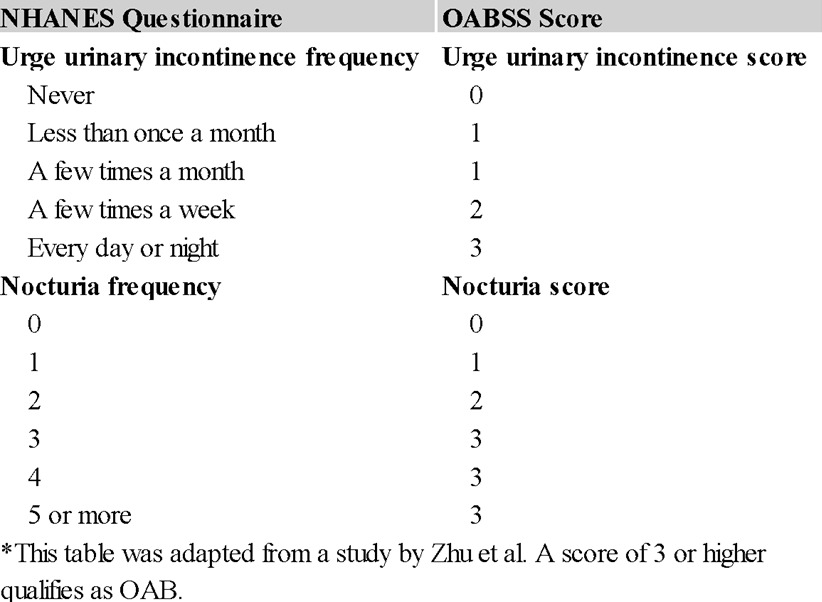
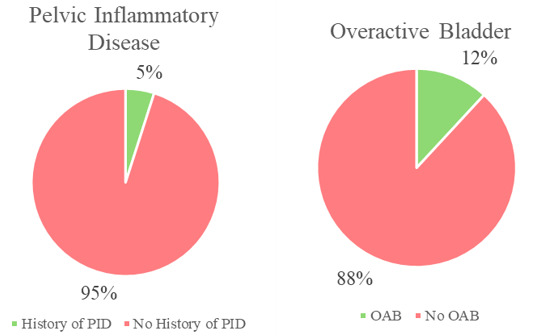
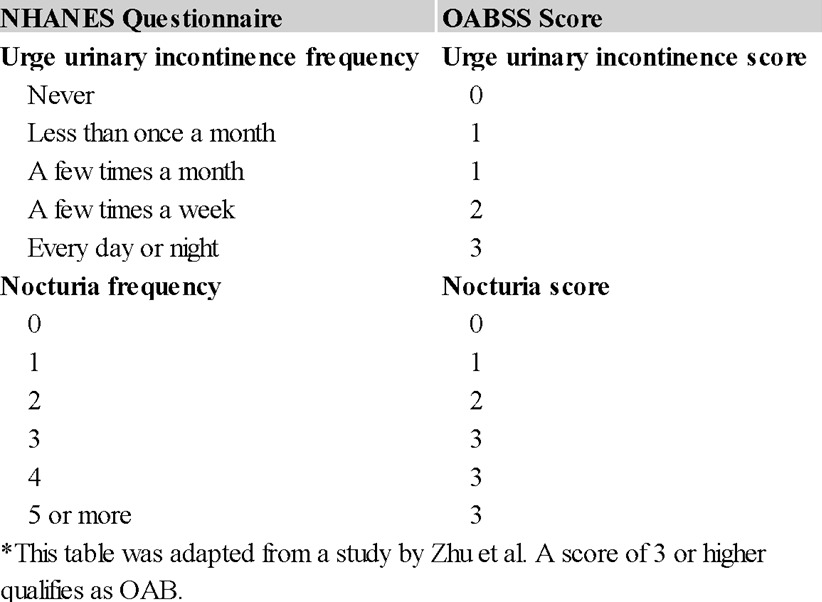
Pelvic inflammatory disease (PID) is an inflammatory condition caused by bacteria from the vagina infecting the reproductive organs, leading to severe complications such as infertility and ectopic pregnancies. Overactive bladder (OAB) is a syndrome defined by urinary urgency, with or without urgency urinary incontinence (UUI), usually with increased daytime frequency and nocturia. Despite observed links between interstitial cystitis/bladder pain syndrome, a diagnostically related counterpart to overactive bladder, and pelvic inflammatory disease, the direct relationship between PID and OAB remains unclear. This is a publication of the abstract and poster of this preliminary work that was presented at the 2025 TAFP Primary Care Summit.
Objectives
Determine the association between pelvic inflammatory disease and overactive bladder using data from the National Health and Nutrition Examination Survey (NHANES) database.
Methods
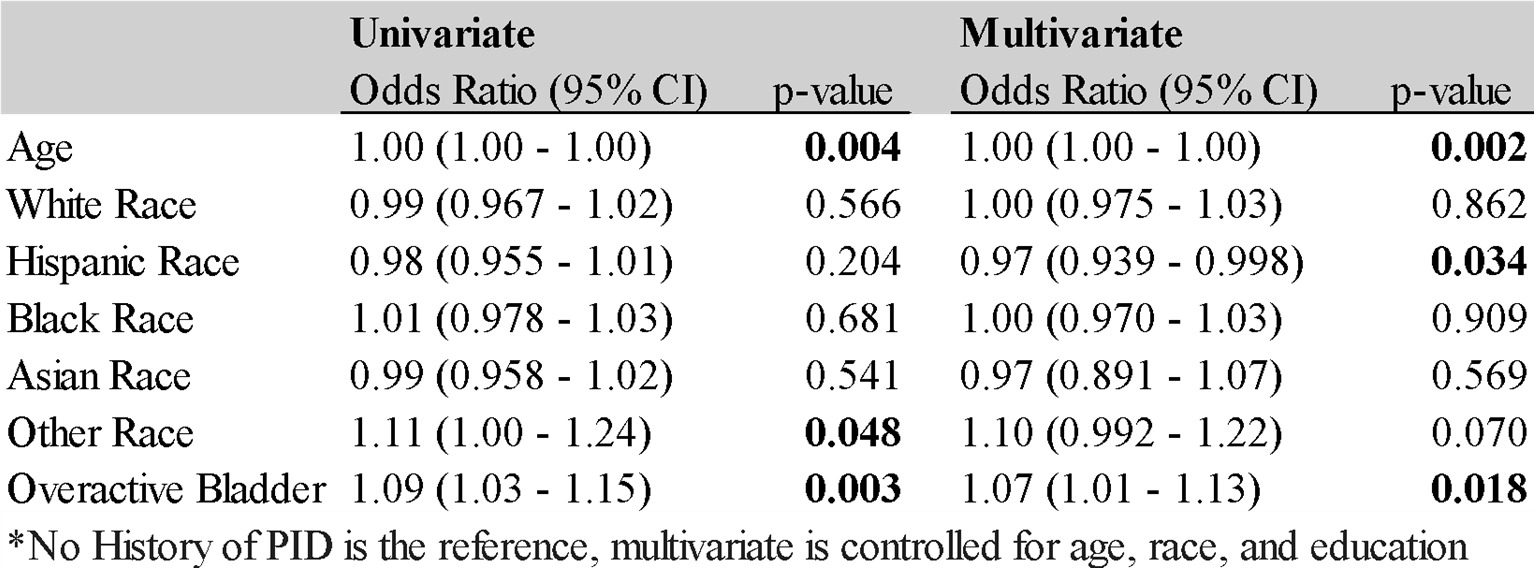
Descriptive analysis was performed using chi-square analyses. Additionally, a univariate and a multivariate logistic regression was performed. The threshold for significance was set to a p-value of less than 0.05. All analysis was performed using R statistical analysis software with the “svy” package.
Results
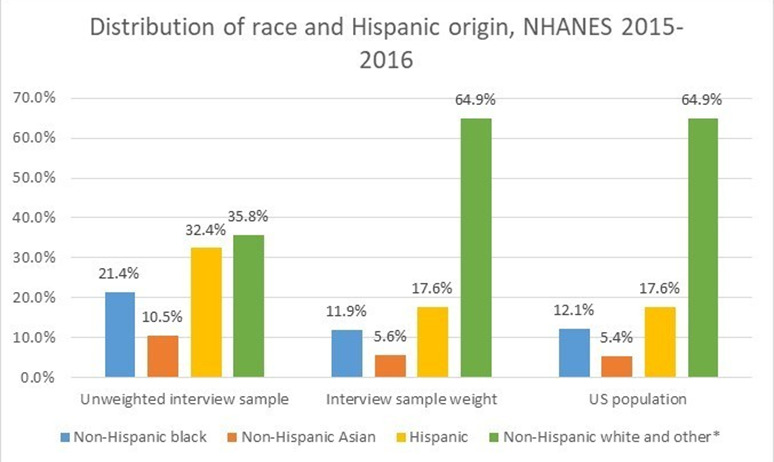
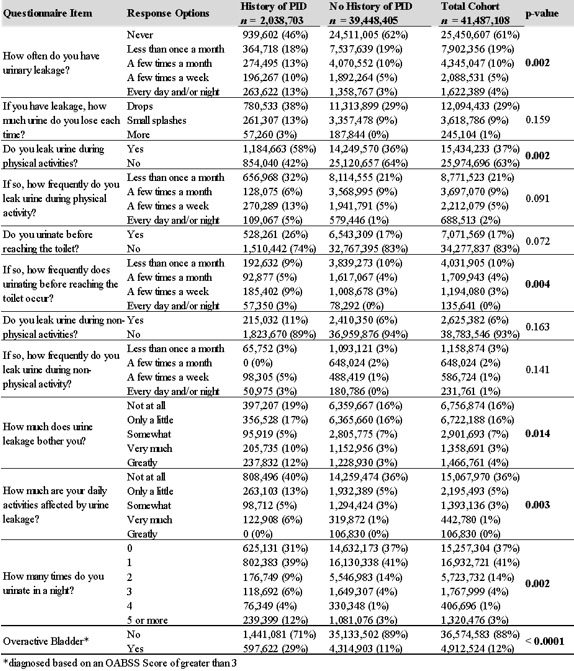
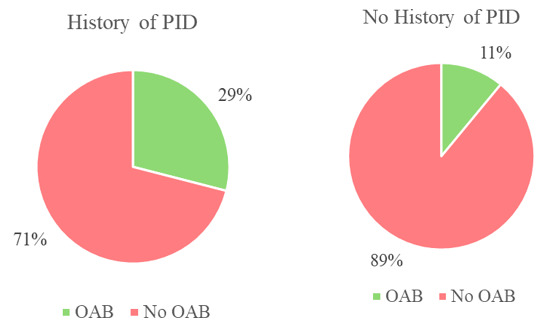
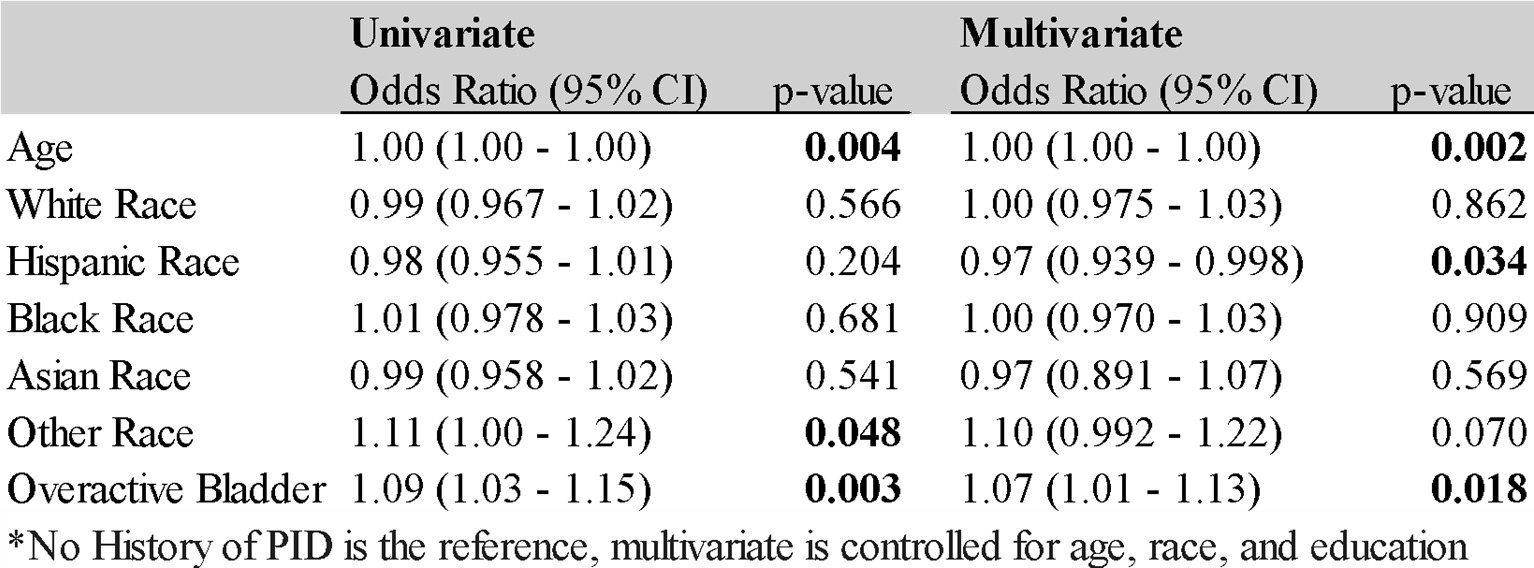
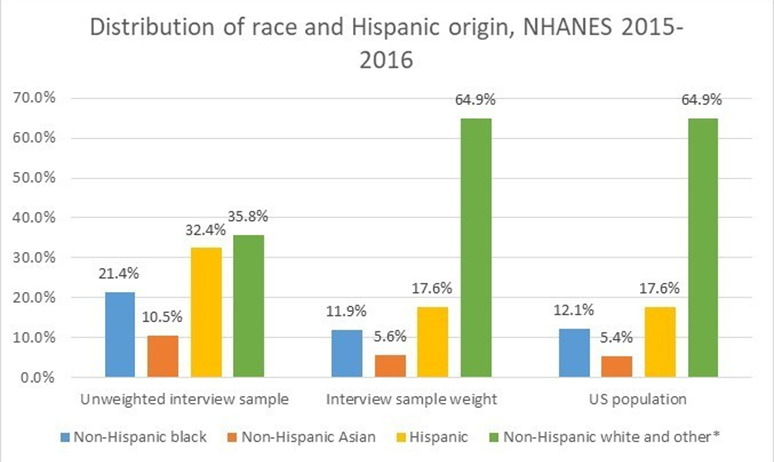
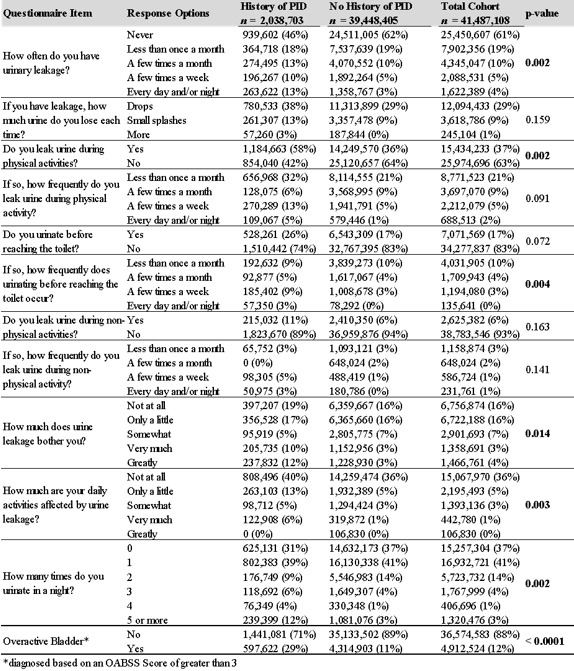
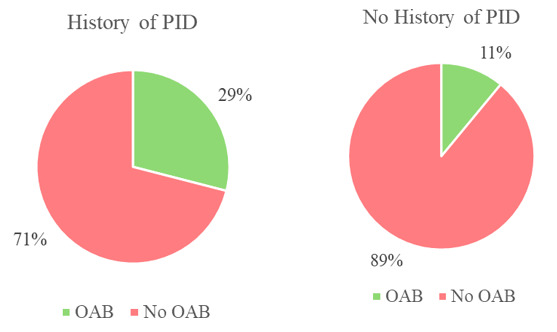
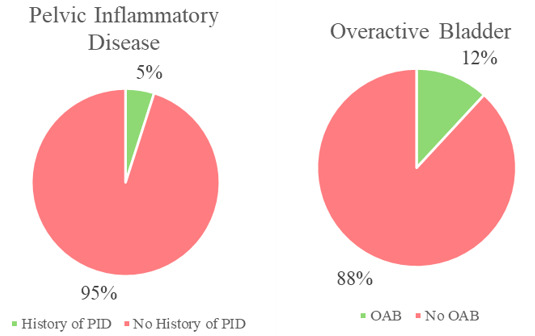
Our analysis encompassed a number of samples representative of 41,487,108 individuals in the US population. Our findings showed that women who responded as having had a history of PID were more prone to urinary issues including leakage during physical activities (p = 0.002), leakage before reaching the toilet (p = 0.004), bothersome leakage (p = 0.014), impact on daily activities due to leakage (p = 0.003), and increased nocturnal urination (p = 0.002). A history of PID was associated with a 1.07x increased odds of having OAB (p = 0.003) even when controlling for age, race, and education.
Conclusion
Even when accounting for risk factors, there is a significant relationship between overactive bladder and prior reported history of pelvic inflammatory disease. This study is limited in its cross-sectional design and therefore, additional studies are required to investigate the connection between PID and OAB and its potential causes. In addition, as mentioned, this is preliminary work that was presented at the 2025 TAFP Primary Care Summit.