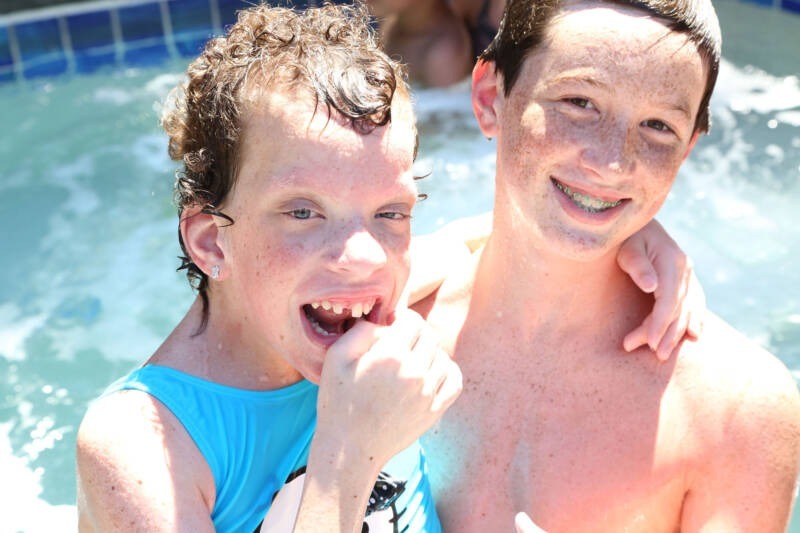
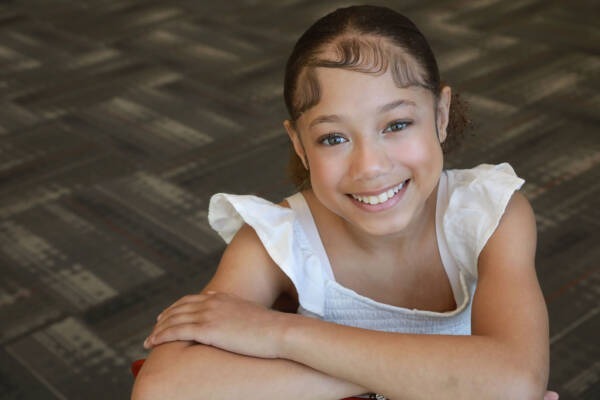

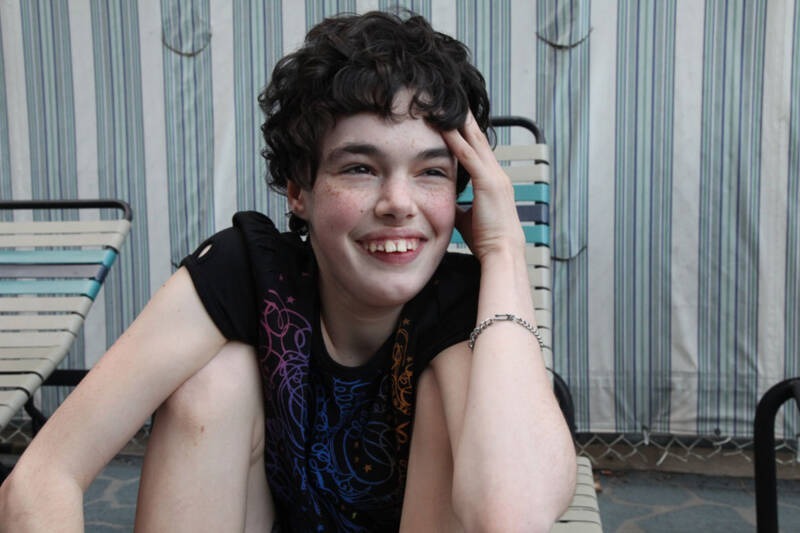



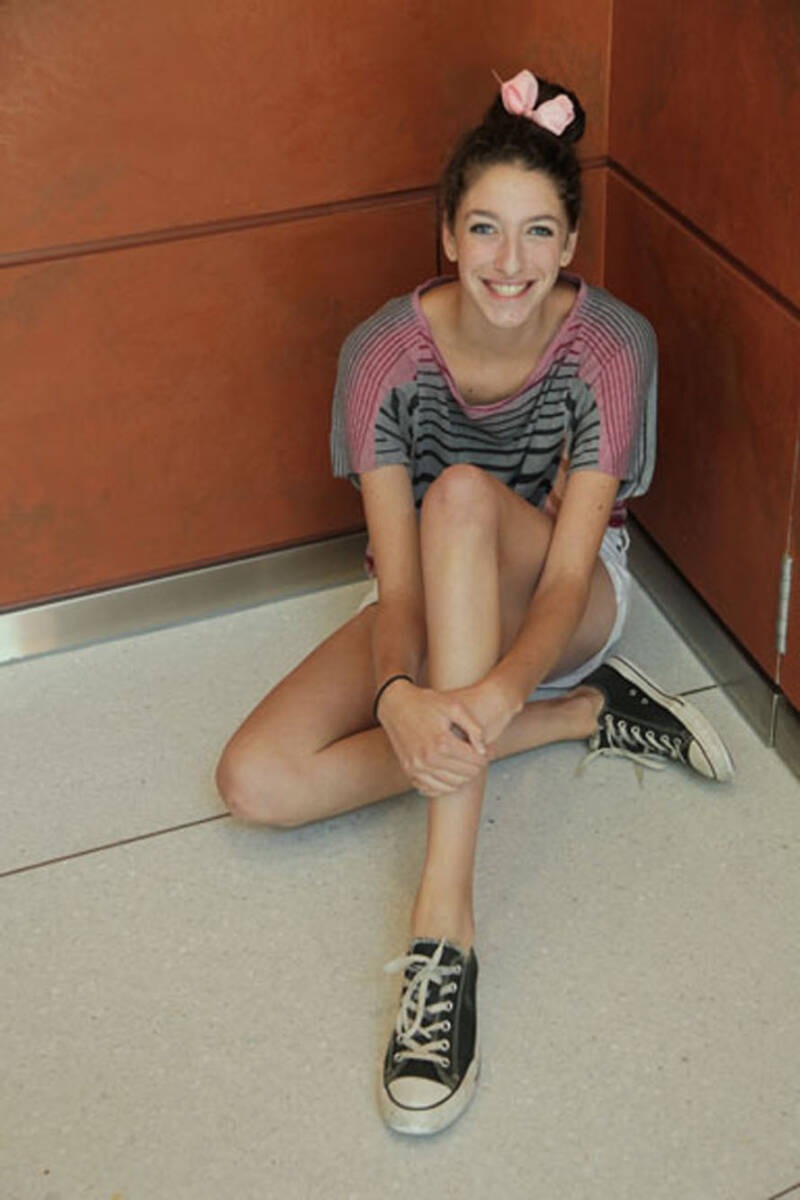



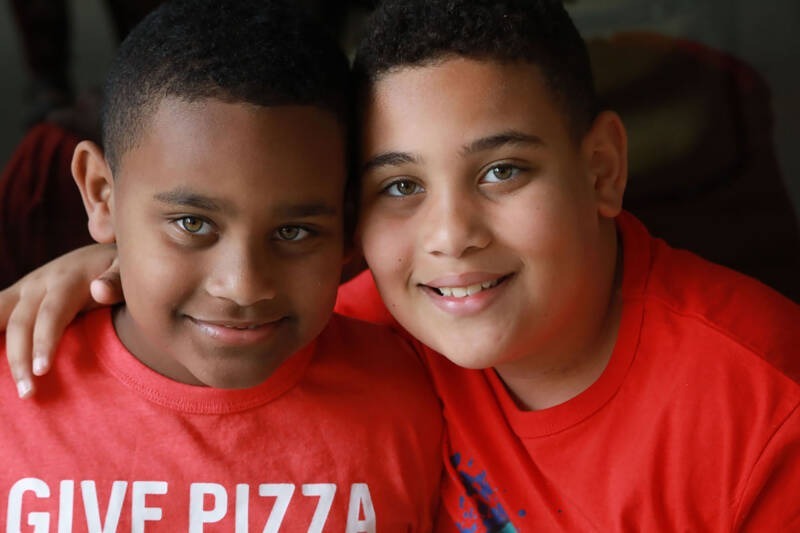
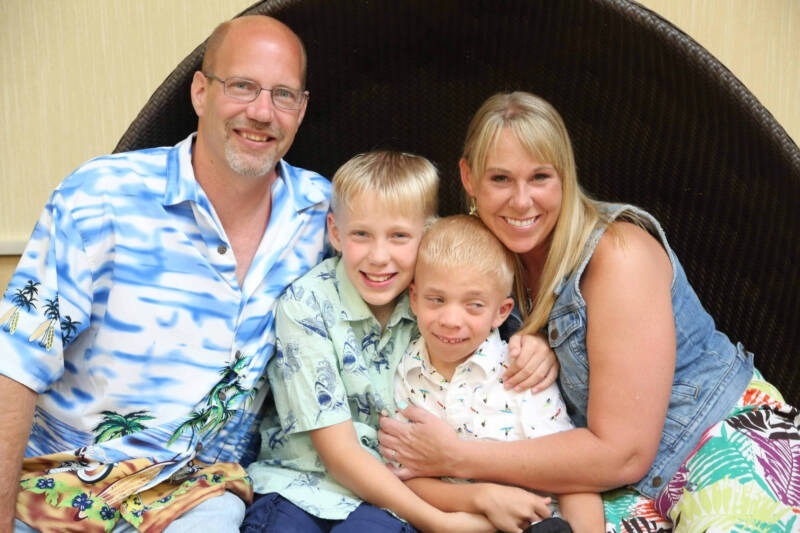
To many people, a rare disease can be the uniqueness of a loved one within their family. Rare diseases are part and parcel of the human condition to be embraced by physicians, classmates, teachers, brothers and sisters, fathers and mothers, society at large, and the patients themselves. As we proceed here, you will see that the world is full of rare diseases and common differences, and you’ll be able to appreciate the beauty and humanity of the people and families living with these conditions.
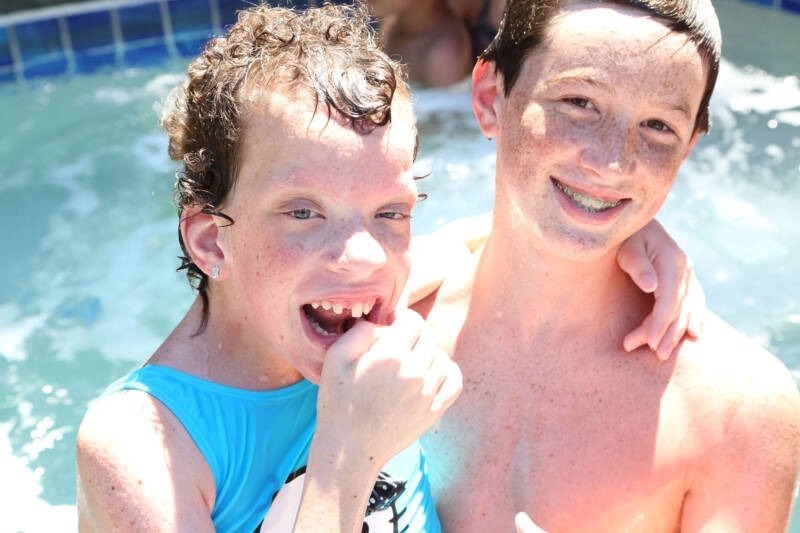
In the United States, a rare disease is defined as a condition affecting fewer than 200,000 people in the country (in the US population of 343,000,000 that means less than one out of every 1700 persons), as established by the Orphan Drug Act of 1983 and the Rare Disease Act of 2002.2–4
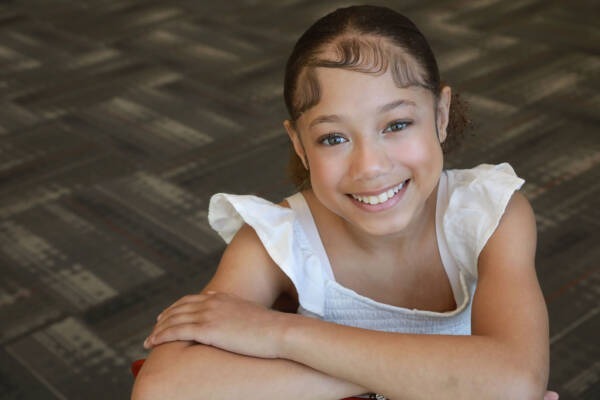
There are an estimated 6,000 to 8,000 recognized rare diseases amounting to 5-8% of the population.2,5 In the United States, this amounts to approximately 20-30 million people, slightly less than 1 in 10 in the population.2,5,6 An estimated three million of these patients live in Texas. This might be one member of anyone’s extended family, and maybe more. It might be about 200 families in any family physician’s panel of 2000 patients. It might be 1-2 patients on any days’ schedule of 20 patients.

Rare diseases are all around us. The average human being manifests 40-80 new mutations in their genome. Some manifest as rare diseases,8–11 while most other mutations simply become part of what makes us individually unique. All these mutations express the marvel of this evolving biologic world spinning on top of this tiny planet.
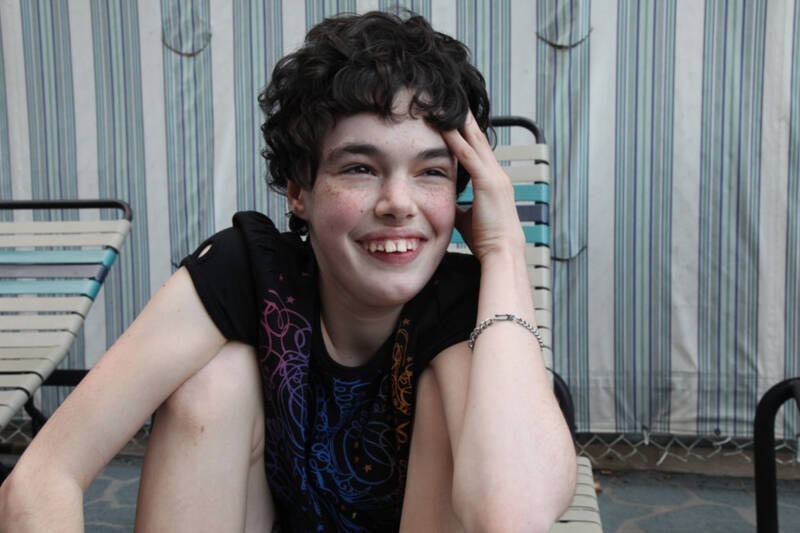
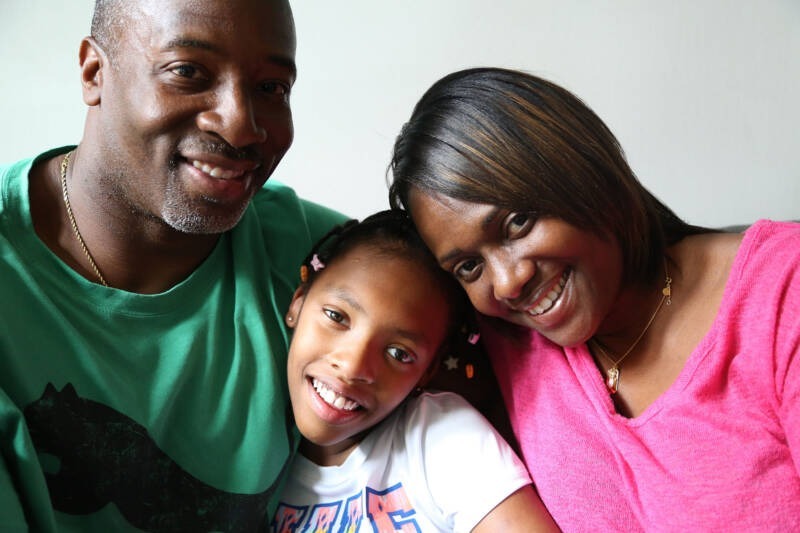
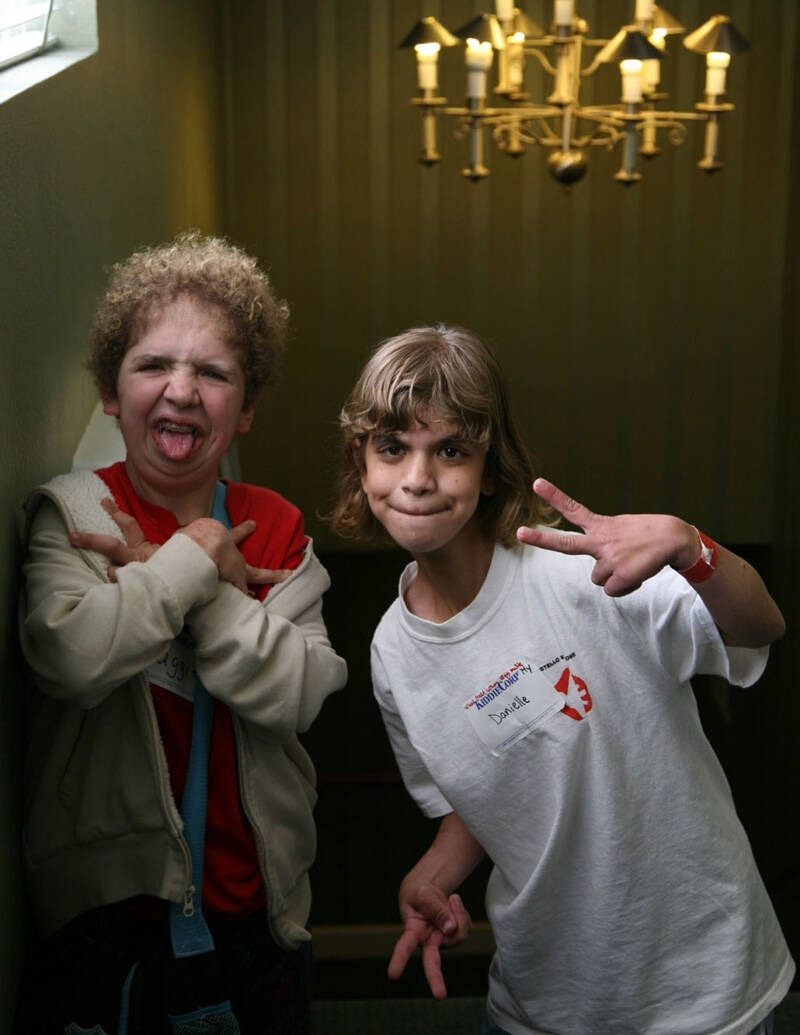
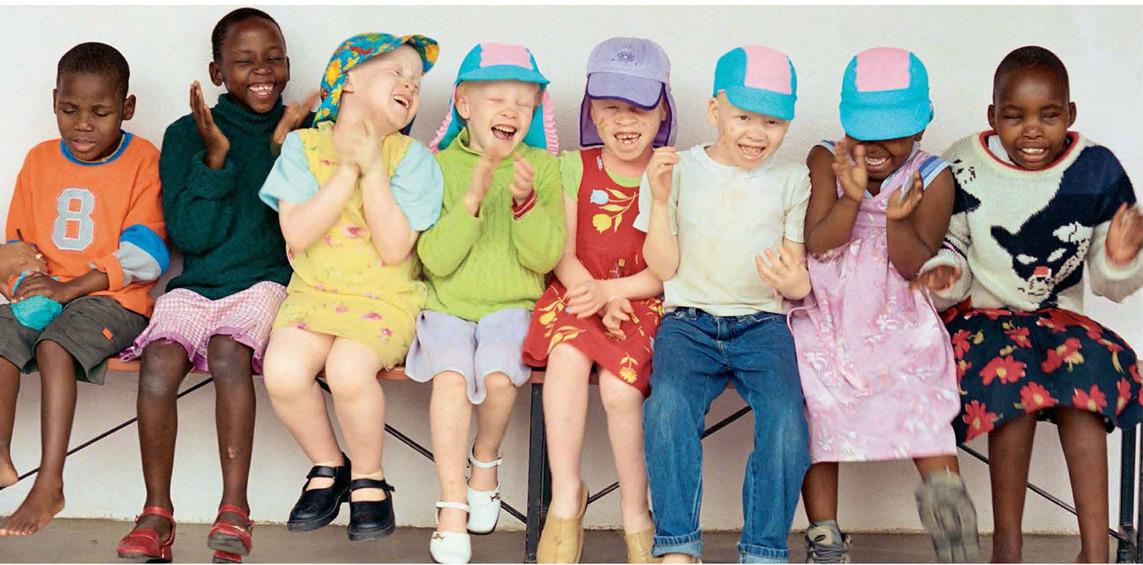
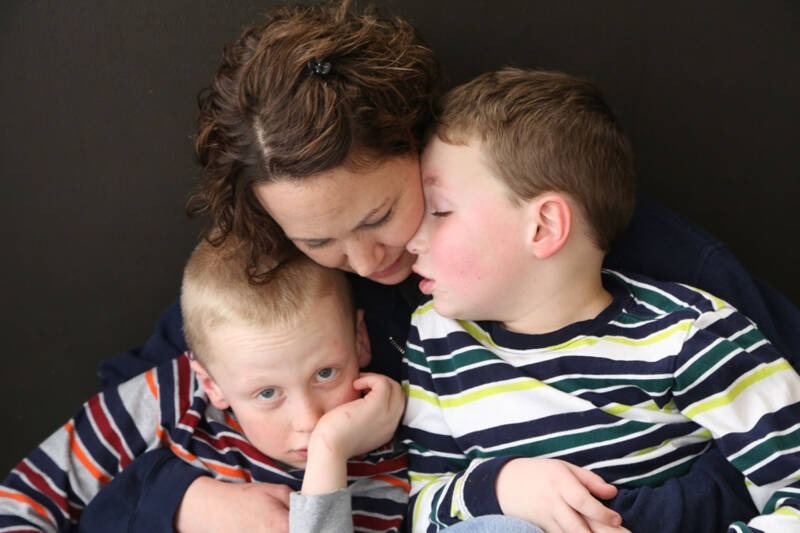
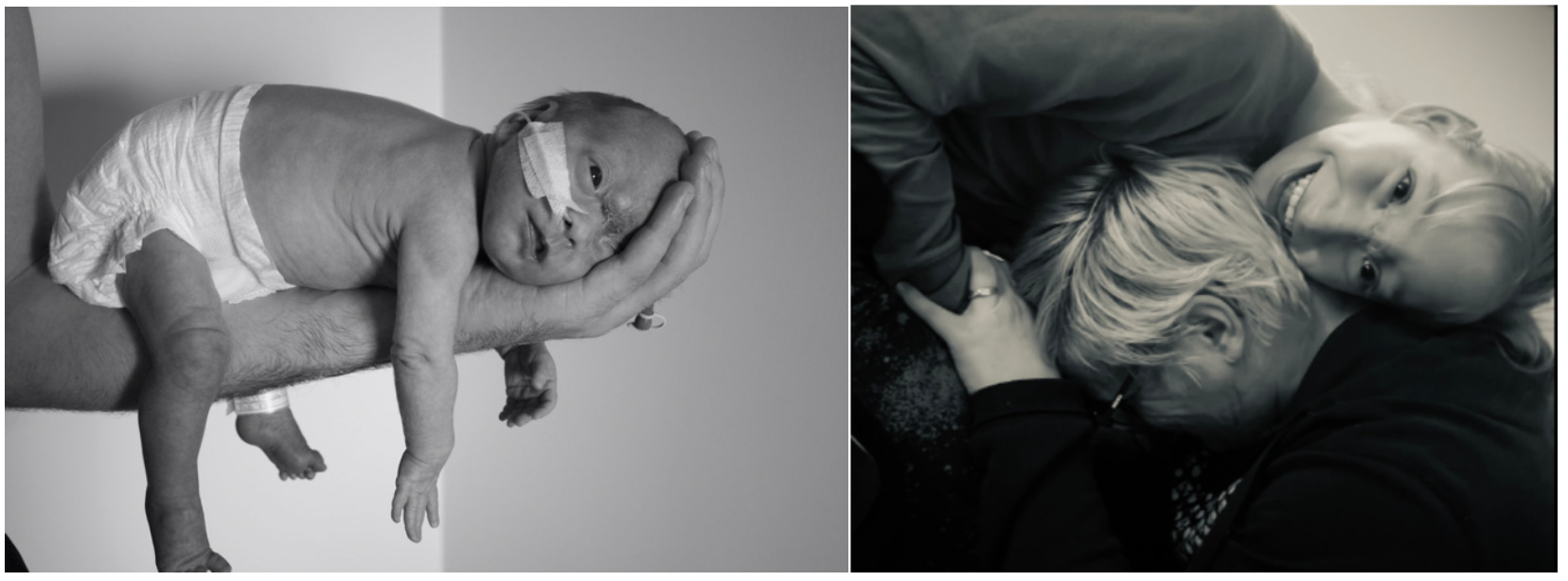
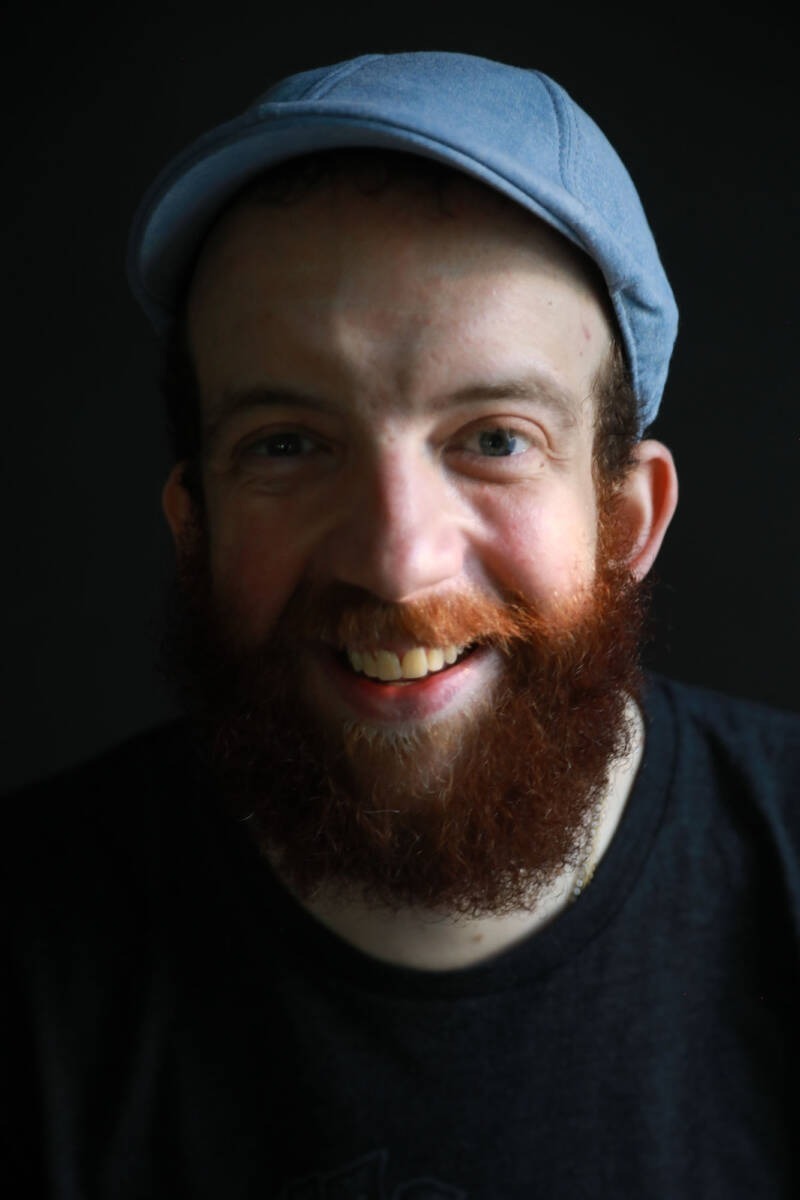
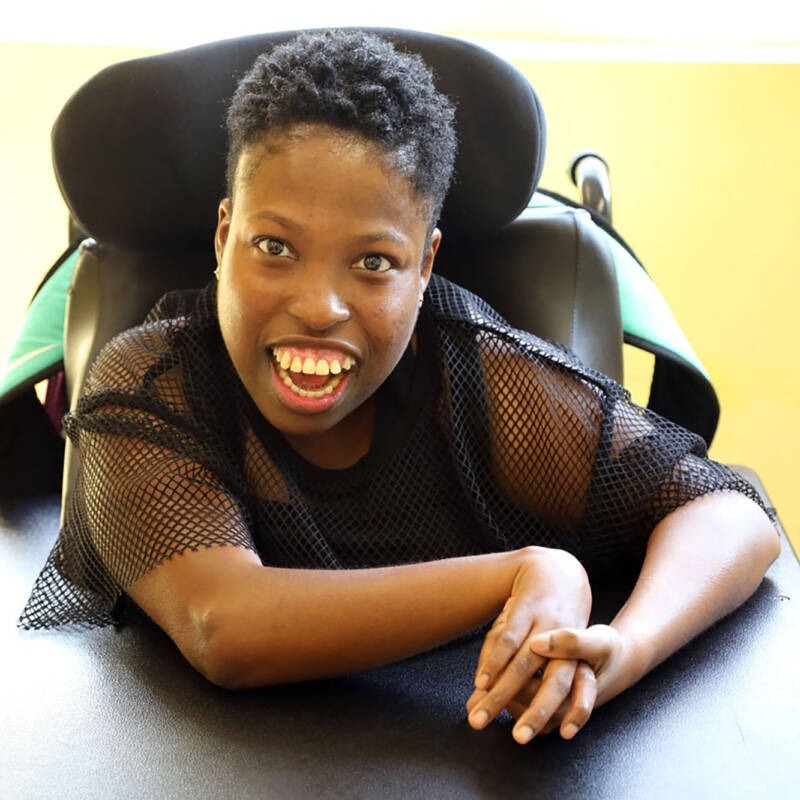
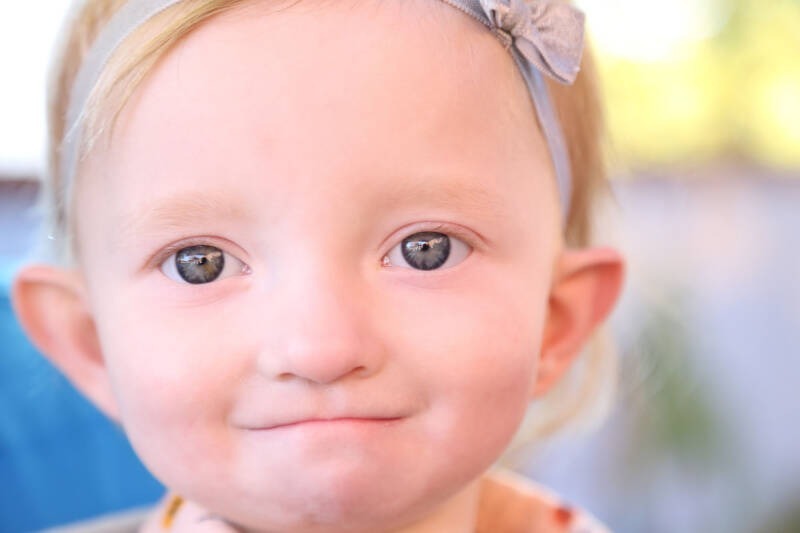
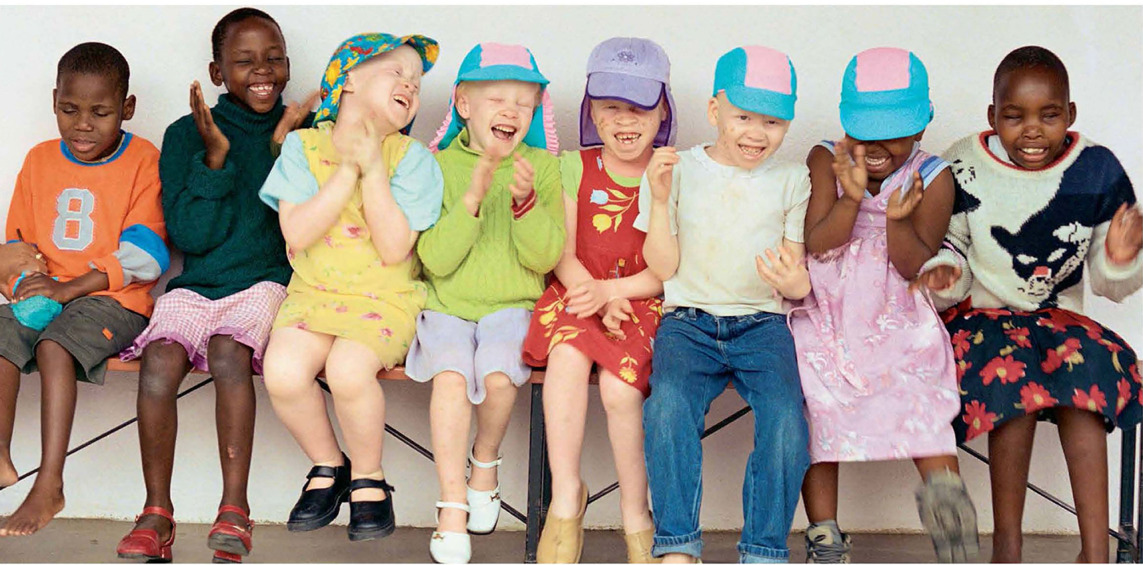
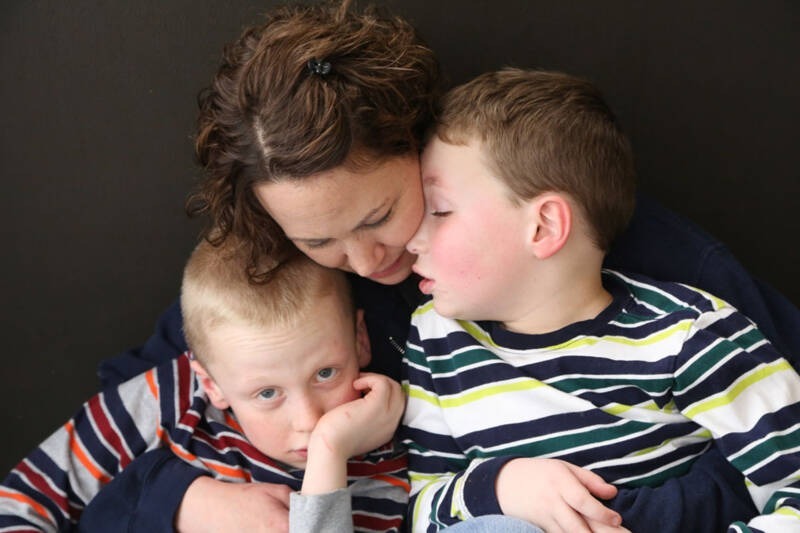
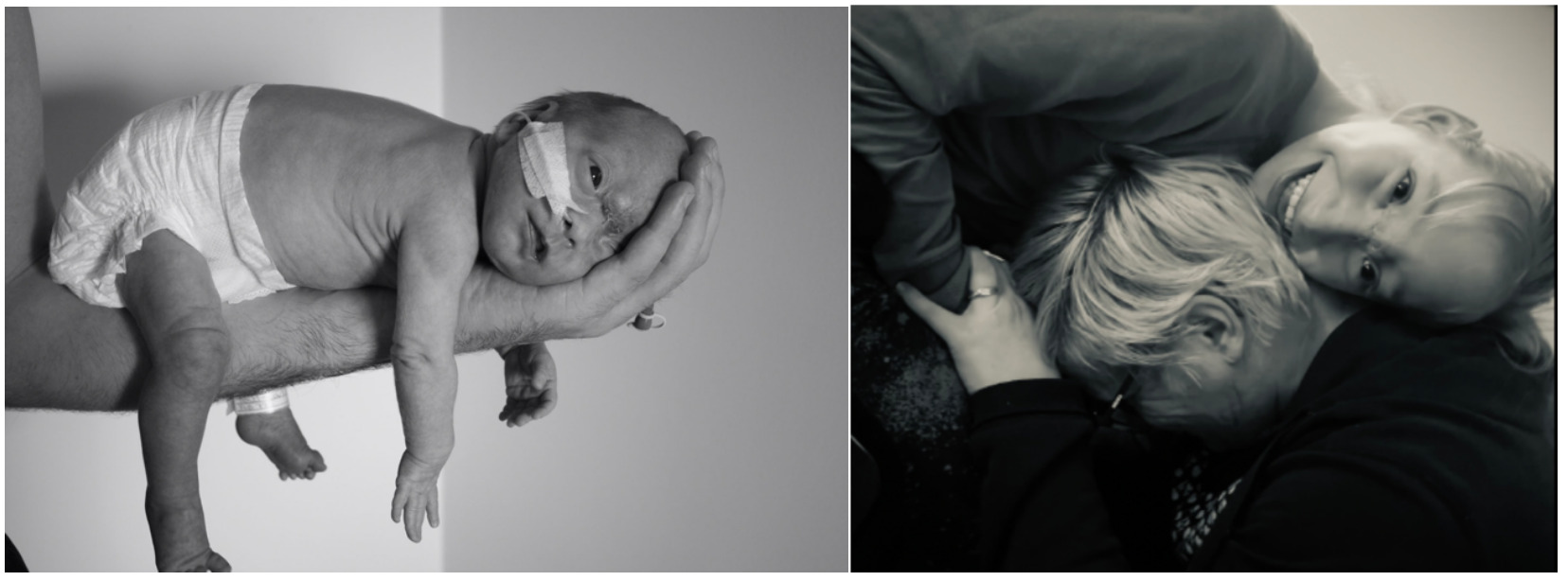
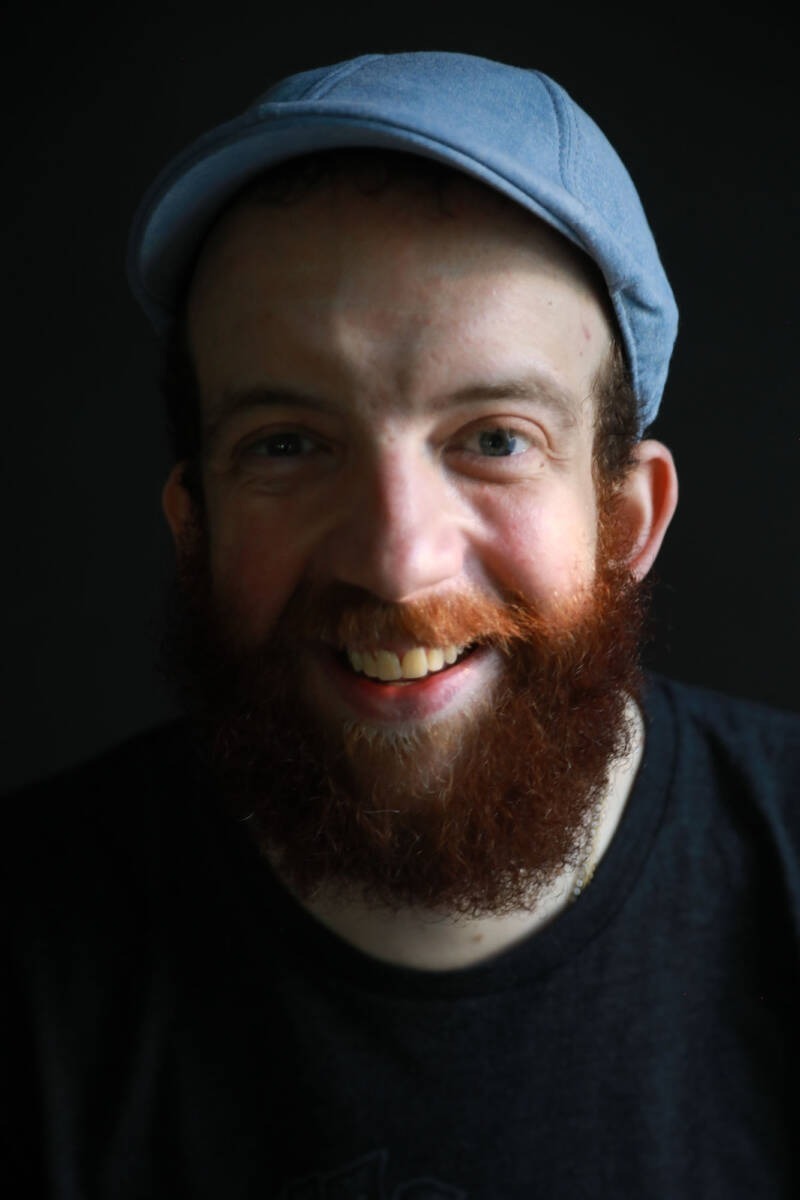
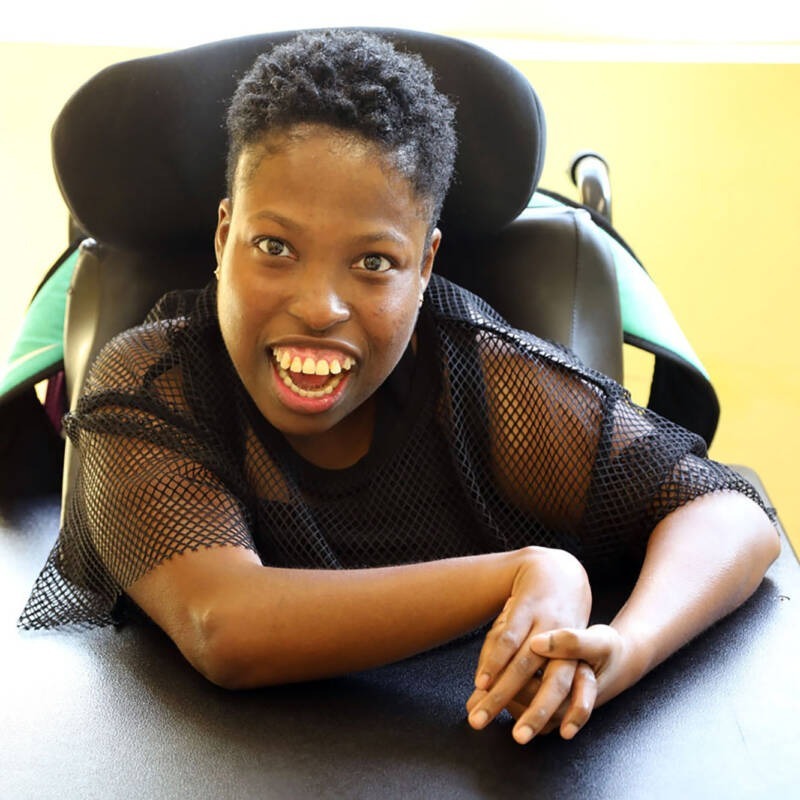
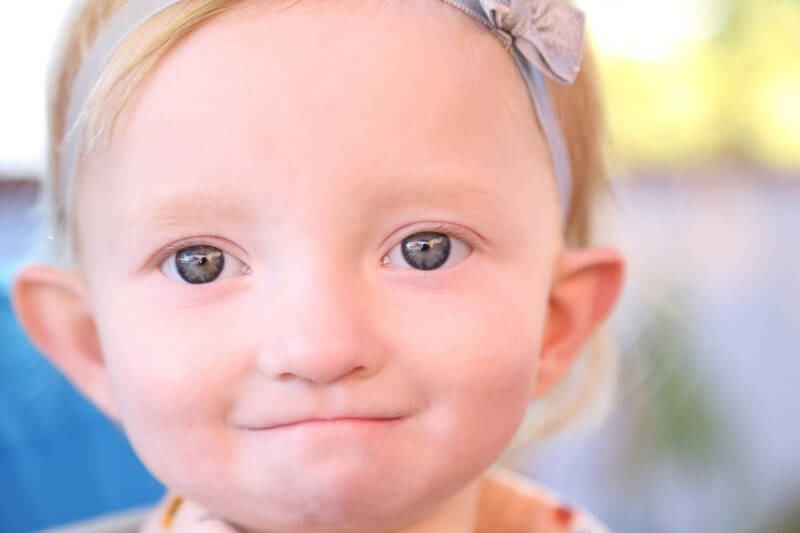
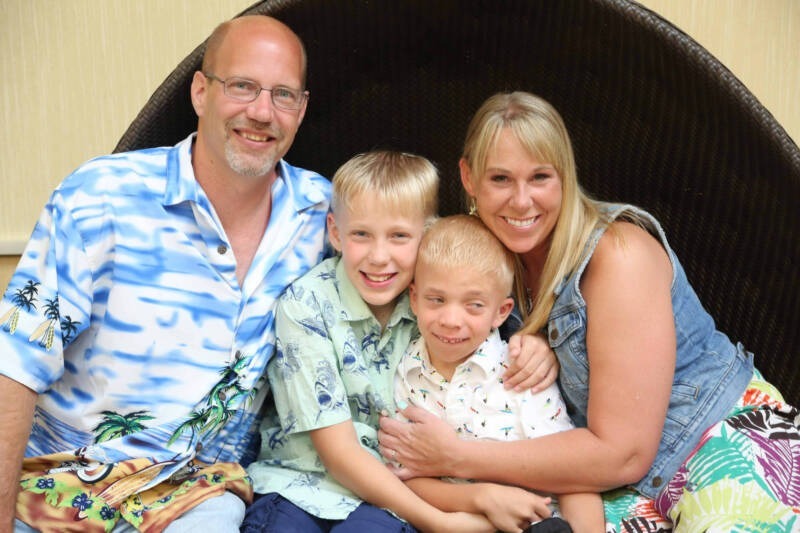
In this Art In Medicine article, we partnered with the charitable organization, Positive Exposure, and its founder photographer Rick Guidotti, to highlight the beauty and humanity of people living with differences, from rare conditions like Marfan’s Syndrome and Cri Du Chat to more common ones such as autism and cerebral palsy. Positive Exposure holds our attention to differences and refocuses us until we can see the people beyond their condition. Through the camera’s lens, we are invited to look more broadly and see the joy and fulfillment in the lives of people who differ from the stereotypes of everyday life.1

Positive Exposure partners with myriad “nonprofits, hospital systems, advocacy groups, and educational institutions, creating educational resources and programming”. Their mission is to "[promote] a more equitable, compassionate world for individuals and communities at risk of stigma and exclusion through photography, film, community storytelling, education, and advocacy.1
Positive Exposure also supports artwork media highlighting medical disease. Here are the works of Scott Hovis II, an artist with the neurodiversity of Tourette’s Syndrome from his show Unfiltered Signal.1


Toward medical professionals, the Positive Exposures program “Faces Refining the Art of Medical Education” (FRAME) offers an online educational library with short films presenting a humanized understanding of medical conditions.1
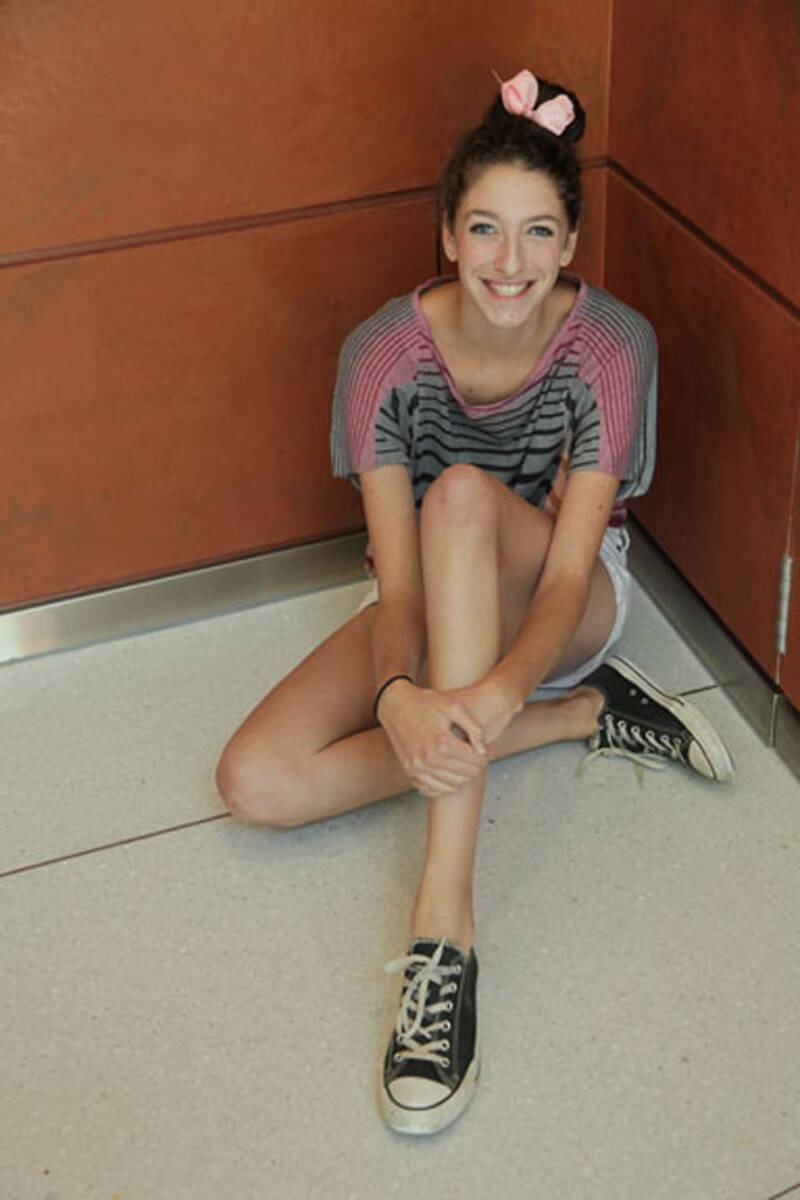
FRAME workshops have been part of curricula at over 1000 medical institutions and part of more than 2500 professional conferences.1
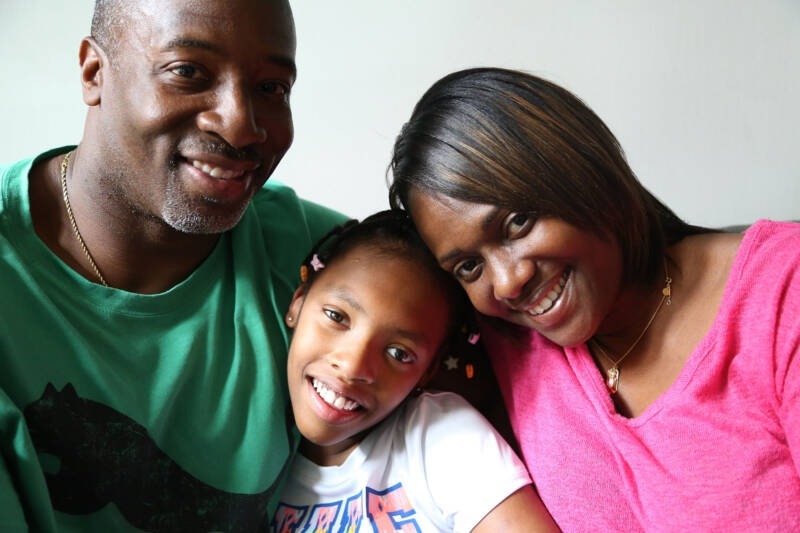
Positive Exposure has allowed us to reprint some of their images here to help remind the primary care community of the richness of the lives of people with rare diseases who we attend to in our austere exam rooms daily.1
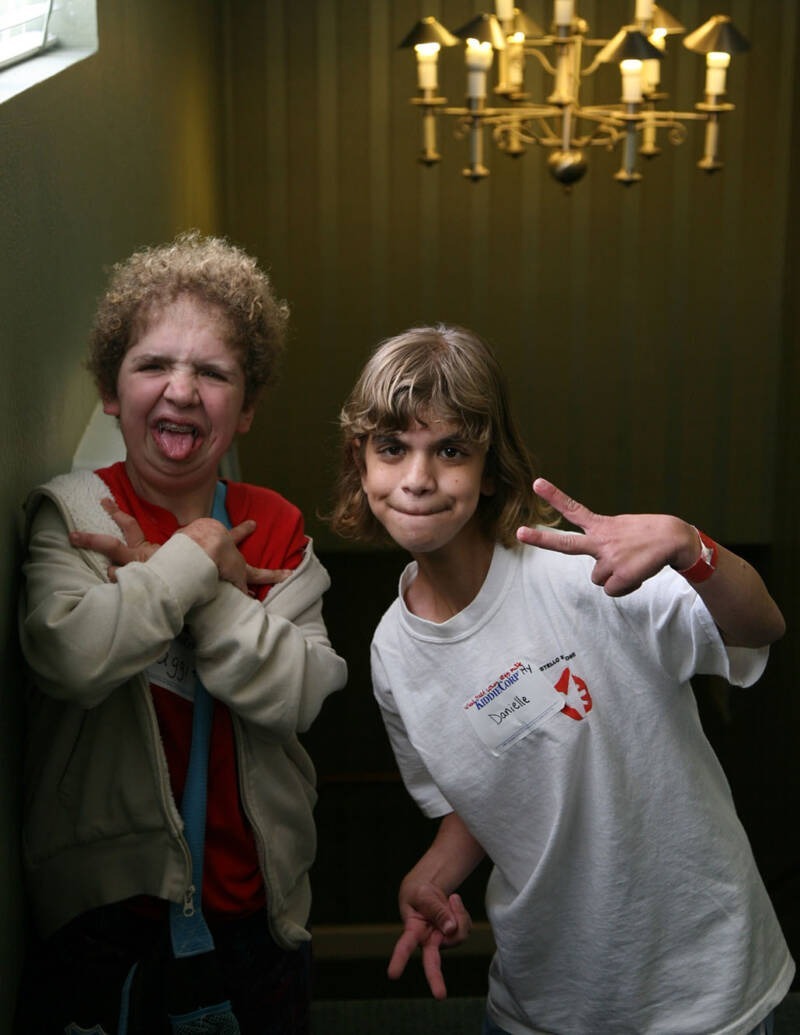
As you enjoy these joyful photographs, let’s take a deeper dive into the world of rare diseases.

It has been estimated that up to 80% percent of rare diseases have a genetic origin, but a 2019 review lowers that number to 39%.5 The remaining diseases include the acquired conditions of rare infectious diseases, rare cancers, rare autoimmune disorders, and poisonings. About 70% of rare diseases have exclusively pediatric onset.
The average time to diagnosis for patients with rare diseases ranges from 4.7 (Europe) to 7.6 years (United States), with significant geographic variation.2 The diagnostic process is complicated by multiple system-level factors. Patients consult an average of four primary care physicians and four specialists before receiving a correct diagnosis, with two to three misdiagnoses along the way.2,12,13
Patients experiencing diagnostic delay have significantly greater need for psychological support (36.2% vs 23.2% for those diagnosed within one year). Common psychological effects include increased irritability (OR 3.6), frustration (OR 3.4), and difficulty concentrating on everyday life (OR 3.3). Among parents of undiagnosed children, 40-60% experience anxiety and depression.14–17
A patient with undiagnosed symptoms experiences physical or mental complaints, such as pain or dizziness, that have not yet been linked to a specific diagnosis. More technically, an undiagnosed disease refers to an underlying medical condition or phenotype (often rare or genetic) that remains unnamed or unidentified even after extensive evaluation.18–21 The Undiagnosed Initiative of Positive Exposure, Wilhelm Foundation of Sweden,22 National Organization for Rare Disorders (NORD),23 and Undiagnosed Disease Network International24 are four organizations working to bring attention and help to those afflicted with undiagnosed medical conditions.
The study of rare and undiagnosed diseases is making accelerating advances with the strides in genomic medicine. It is estimated that currently approximately 250-300 new gene-disease associations are identified per year. The Online Mendelian Inheritance in Man (OMIM) database25,26 is the most standard catalog of this progress. However, cataloging new diseases depends on how you count. An established disease may finally have a genetic explanation, have new genetic variants that cause the same phenotypic disease, or have a new uncommon manifestation of that disease. Additionally, a newly found genetic variant may be assigned a disease name and then previously undiagnosed patients may be reassigned to the new disease if they also have that genetic variant. All of this emphasizes that there are a multitude of new gene-disease associations happening at a rapid pace.2
The high proportion of genetic etiologies has driven the adoption of genomic sequencing as a first-line diagnostic tool for rare diseases, with diagnostic yields of 30-50% in appropriately selected populations.27–29
There are four basic genomic testing approaches: Whole Exome Sequencing (WES), Whole Genome Sequencing (WGS), specialized chromosomal microarray analyses, and targeted gene panels.
Exome sequencing (or Whole Exome Sequencing, WES) is a genomic test that analyzes the protein-coding, that is, protein synthesizing, regions of DNA to identify disease-causing mutations. These coding regions (exons) represent roughly 1-2% of the genome but contain the vast majority of known genetic variants that cause rare diseases. Whole Exome Sequencing (WES) and whole genome sequencing (WGS) typically cost between $500 and $5,000,30,31 with rare disease WGS trending toward the higher cost. Chromosomal microarrays typically cost between $350 to $1200 and targeted gene panels typically cost between $250 to $3000.31,32 Genetic counseling introduces additional cost. To a family and patient navigating an undiagnosed disease, this may not be an unrealistic investment.
For developmental delays and autism, medical guidelines recommend Whole Exome Sequencing (WES) or Whole Genome Sequencing (WGS) as the first-tier test. When looking for a specific rare or suspected genetic disease, targeted gene panels or WES would be the first-line choice. When WES fails to make a diagnosis, the chromosomal microarray analyses or targeted gene panels might yield an answer.33,34 Targeted gene panels make sense when the problem or phenotype is narrow like a cardiomyopathy panel. It allows for a higher depth of coverage, meaning it can detect low frequency mutations (present in only a small number of cells) or mosaicism. Chromosomal microarray analysis35 compares patient chromosomes to standard chromosomes to identify deleted or duplicated segments, also called copy number variants (CNVs), but it cannot see substitution mutations. WES and WGS can discover previously unknown mutations missed by targeted panels, but it also creates confusion finding variants of unknown significance.36–38
How does the primary care physician proceed with a workup for a rare disease within their patient panel?
Primary care physicians should be engaged as advocates for our patients, especially those with perplexing presentations and enigmatic disease courses. Geneticists are in short supply: in 2023, there were less than 3500 board-certified MD or DO geneticists in the United States, less than 1 per 100,000 population.39
Family physicians can incorporate a rare disease diagnostic algorithm into their routine practice. Whether starting with phenotypic strategy or genomic evaluation, primary care physicians can partner with specialists to effectively proceed. Because many major US private payers now cover exome genomic sequencing,40,41 patients and families should be given the option to choose the approach that is most valuable to them, regardless of coverage. Even if there is no treatment for the rare disease that is discovered, it gives the physicians, patients, and families a reassuring understanding of the clinical approaches to their medical problems.16
Here are five approaches to consider. First, set a personal limit for how long a patient can remain undiagnosed. Then, shift gears and think about rare diseases. Consider rare diseases when you see diagnoses like fibromyalgia, chronic fatigue, chronic pain syndrome, or functional disorder. Second, follow up when one rare disease is found in your practice. Look around and see if other patients might have something similar. As we learn more, some diseases, like hypermobile Ehler-Danlos Syndrome (hEDS), mast cell activation syndrome (MCAS), and alpha-1-antitrypsin deficiency, are being recognized more often as awareness and diagnostic tools improve.42,43
Third, be alert for emerging infections like hantavirus, ebola, and MPox – they are rare before they turn epidemic. Fourth, let your patients help you. Let them teach you new things, especially in this new age of universal access to artificial intelligence. Give your patients some latitude to come with diagnostic possibilities. They are your research partners, and most importantly, partners in managing their own health. Rare diseases don’t have to be discovered by specialists, sometimes lay diagnosis works.
Fifth, be aware of the rare disease specialists in your area. In Texas, these include:
-
The Center for Rare Disease at Dell Medical School in Austin Center for Rare Disease | Dell Medical School https://dellmed.utexas.edu/units/center-for-rare-disease
-
Baylor College of Medicine / Texas Children’s in Houston — part of the NIH’s Undiagnosed Diseases Network, Undiagnosed Diseases Center https://www.bcm.edu/research/research-centers/undiagnosed-diseases-center
-
UT Southwestern in Dallas diseases.https://utswmed.org/conditions-treatments/rare-diseases/

Many differences are not rare; just different. To illustrate this more clearly, consider the following statistics on some common medical conditions that set people apart. Approximately 750,000 to 1 million children and adults in the United States currently live with cerebral palsy. As the most common motor disability in childhood, it affects about 1 in every 345 children across the nation.44 In the U.S., about 1 in 31 children (3.2%) and 1 in 45 adults (over 5.4 million) have autism spectrum disorder (ASD).45 In the U.S., approximately one in 18,000 to 20,000 people has some type of albinism.46 An estimated 400,000 to 600,000 people in the United States live with Down syndrome. It is the most common chromosomal condition in the country.47 According to a 2012 study by the CDC, the frequency of the Fragile X premutation in the U.S. is approximately 1 in 151 females, or about 1 million females and approximately 1 in 468 males, or about 320,000 males.48,49 Approximately 1% to 2% of the U.S. population—about 6.5 million to 7.3 million Americans—live with an intellectual disability (ID).50 The number of people in the U.S. with hypermobile Ehlers-Danlos syndrome (hEDS) is estimated at 1 in 5,000 people, but newer studies suggest it is much more common—potentially affecting 1 in 500 to 1 in 3,100 people. Although exact figures are unavailable, these rates translate to an estimated 110,000 to over 660,000 Americans living with the condition.51 These are just some examples, but these alone add up to another 15 million, another 5% of our population, and another 1 in 20 coming to your medical office.

Let’s look at differences from another perspective. Charles Darwin gave us revolutionary ideas of evolution, but the phrase “survival of the fittest” was often misunderstood. The phrase actually comes from the philosopher, Herbert Spencer, five years after the first edition of Origin of Species. Darwin subsequently used the expression to make his ideas easier to understand, but it was never meant to mean the strongest or most ruthless. It focused on adaptability to survive rather than dominance. Differences play an essential role in the survival of a society, allowing the vitality of the genome to expand and explore new variants. The original concept of natural selection remains a centerpiece of modern biology, but science now recognizes that evolution relies on a much broader mix of adaptation, epigenetics, and mutation. Cooperation matters: Darwin himself observed that empathy, compassion, and community cooperation are key evolutionary advantages. In The Descent of Man, Darwin stated “…for those communities, which included the greatest number of the most sympathetic members, would flourish best, and rear the greatest number of offspring.”53–56
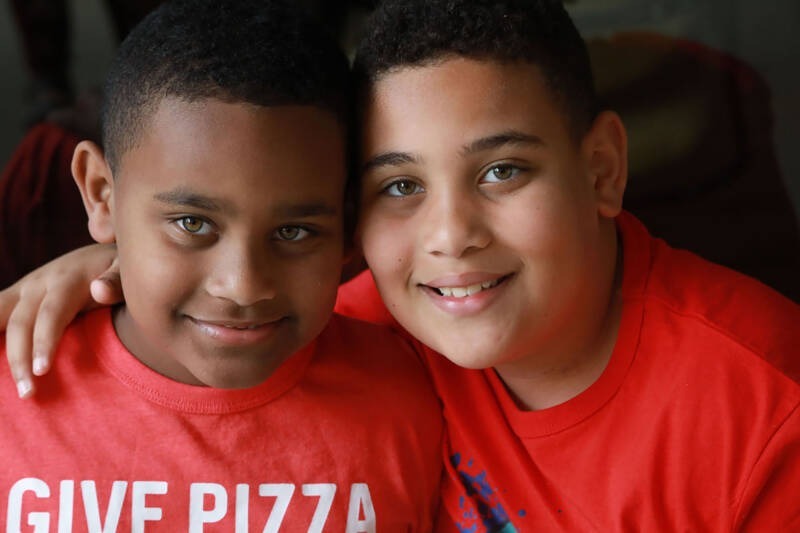
Positive Exposure states, “CHANGE HOW YOU SEE, SEE HOW YOU CHANGE”. Common diseases are common, but seeing rare diseases is rarely uncommon. Rare diseases are not zebras. They are hoofbeats in our daily medical lives. Tomorrow, when you wander through your medical days of hypertension, diabetes, and flu, pause and appreciate that all those diseases are overlaid upon unique human genomes manifesting mutations—some that you will come to know as the rare diseases that saw you before you saw them, and some that will have to await the science of the future to truly define.
Artificial intelligence (AI) was not used to generate any content within the body of the manuscript. AI was used to help locate reference material, but all content from references was specifically reviewed by the authors from the source material.